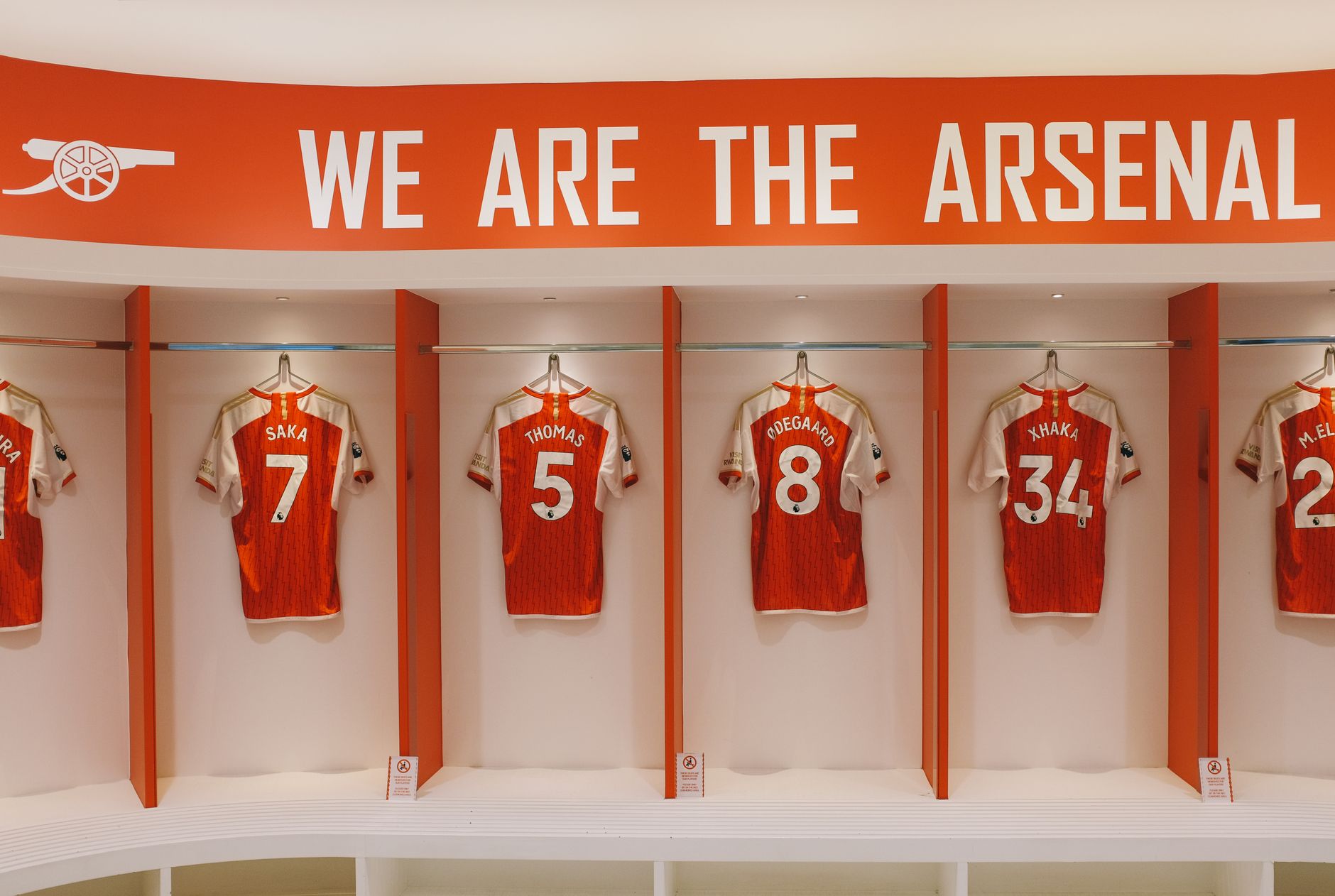
Arsenal display tactics were a hot topic after Mikel Arteta put the blame on Nottingham Forest’s strategy. He described their formation as a ‘Christmas tree’ that stifled his team’s performance.
Understanding Nottingham Forest’s Strategy
In the recent match against Nottingham Forest, Arsenal’s display tactics were put to the test as the opposing team employed a unique formation often referred to as the “Christmas tree.” This strategy, characterized by a solid defensive structure and an emphasis on midfield control, aimed to disrupt Arsenal’s usual fluid attacking play.
The Christmas tree formation typically consists of a central midfield triad positioned behind two forwards, allowing teams to maintain possession while ensuring defensive stability. Nottingham Forest effectively utilized this formation to congest the midfield, making it difficult for Arsenal to find gaps and create scoring opportunities.
Key to Nottingham Forest’s strategy was their ability to press high and force turnovers in dangerous areas. By closing down Arsenal’s creative players quickly, they limited the effectiveness of the Gunners’ build-up play. Moreover, their disciplined defensive shape made it challenging for Arsenal to penetrate the final third, resulting in a lackluster performance from the home side.
As Mikel Arteta noted post-match, the tactics employed by Nottingham Forest were instrumental in stifling Arsenal’s usual game plan. The encounter served as a reminder of how crucial effective tactical adjustments can be in controlling the flow of a match.
Mikel Arteta’s Reaction to the Match
Mikel Arteta addressed the media following Arsenal’s disappointing performance against Nottingham Forest, where his team’s display tactics came under scrutiny. He expressed his frustration over the match, emphasizing the challenges posed by the opposition’s approach.
Arteta noted, “They put a Christmas tree there, and it was difficult for us to break through their lines.” This comment highlighted how Nottingham Forest’s formation stifled Arsenal’s attacking potential. The manager acknowledged that his players struggled to adapt to the defensive setup, which limited their creativity and effectiveness on the pitch.
He continued, “We knew they would defend deep, but our execution of the game plan was not up to par.” Arteta’s analysis of the match revealed his disappointment with the team’s inability to implement their own tactics effectively in response to Forest’s strategy. He urged his players to learn from this experience and improve their adaptability in future encounters.
In summary, the underwhelming performance against Nottingham Forest has prompted Arteta to reflect on the team’s display tactics. As the season progresses, he will need to find ways to counter similar formations to ensure Arsenal remains competitive in the league.
Impact of Tactics on Arsenal’s Performance
The recent match against Nottingham Forest has sparked considerable discussion about Arsenal’s display tactics and their overall impact on the team’s performance. Mikel Arteta’s side struggled to adapt to the opposing team’s formation, often referred to as the “Christmas tree” strategy.
This tactical setup, characterized by a dense midfield and two strikers, posed significant challenges for Arsenal. The players found it difficult to penetrate Forest’s organized defense, leading to a lack of creativity and scoring opportunities. As a result, Arsenal’s usual attacking flair was stifled, highlighting the limitations of their approach during the match.
The consequences of this tactical mismatch were evident in several key areas:
- Possession Struggles: Arsenal was unable to maintain control of the ball, often losing it in critical areas.
- Defensive Vulnerabilities: The team was exposed on counter-attacks, leading to several close calls.
- Lack of Goals: The forward line, typically prolific, found themselves isolated and unable to convert chances.
In the aftermath, the discussion around Arsenal’s display tactics emphasizes the need for adaptability and strategic planning in future encounters, as teams continue to exploit weaknesses in Arteta’s game plan.
Historical Context of the Christmas Tree Formation
The Christmas Tree formation has often been a topic of debate among football analysts and fans alike. Historically, this tactical setup has been characterized by its unique arrangement of players, typically featuring a diamond midfield and an emphasis on both defensive solidity and offensive creativity. However, when utilized incorrectly, it can lead to a lackluster performance, as highlighted recently by Arsenal’s struggles against Nottingham Forest.
Arsenal’s display tactics have come under scrutiny, particularly when faced with teams employing the Christmas Tree formation effectively. This formation allows teams to congest the midfield, making it challenging for opposing players to find space. Arsenal’s inability to adapt during the match showcased the pitfalls of being trapped in a rigid system.
Over the years, various clubs have employed the Christmas Tree with varying degrees of success. It’s been seen as a double-edged sword: while it can provide a strong defensive structure, it often requires fluidity and adaptability to exploit its full potential. Arsenal’s recent experience serves as a reminder that the effectiveness of tactical formations is heavily reliant on how well players execute their roles within them.
Ultimately, understanding the strengths and weaknesses of formations like the Christmas Tree is crucial for teams looking to enhance their performance on the pitch.
Fan Reactions to Arsenal’s Display
Fans took to social media to express their thoughts on Arsenal’s display tactics during the recent match against Nottingham Forest. Many supporters felt disappointed with the team’s inability to break through the opponent’s defensive setup, which was likened to a Christmas tree formation.
One fan tweeted, “I can’t believe we struggled against such a basic tactic. Arsenal needs to adapt better!” Another noted, “The Christmas tree strategy really stifled our creativity. We need to learn how to counter these formations.”
Critics pointed out that Arsenal’s display tactics seemed uninspired, with several fans calling for a more dynamic approach. “We have the talent, but the tactics are failing us,” wrote one frustrated supporter.
Others praised Mikel Arteta for acknowledging the challenge posed by Nottingham Forest, but they also urged him to find solutions to counter similar formations in the future. “Arteta needs to rethink our strategy against teams that park the bus,” said another fan, voicing a common sentiment among the Arsenal faithful.
Overall, the reactions highlighted a growing concern among fans regarding Arsenal’s ability to handle defensive strategies effectively, particularly those reminiscent of the Christmas tree formation.
Key Players Affected by Tactics
The recent match against Nottingham Forest highlighted the impact of Arsenal’s display tactics, particularly on key players. Several individuals found themselves struggling to adapt to the unusual Christmas tree formation employed by their opponents.
- Martin Ødegaard: As Arsenal’s captain and playmaker, Ødegaard was significantly affected by the tactics. His ability to create chances was stifled, leaving him less influential in the midfield.
- Gabriel Jesus: The forward, known for his dynamic movement, struggled to find space. The opposition’s compact structure limited his effectiveness, forcing him to drop deeper to receive the ball.
- Bukayo Saka: The young winger faced challenges in breaking down the defense. Forest’s tactical approach restricted his dribbling opportunities, making it difficult for him to deliver crosses or cut inside.
- Thomas Partey: As a key figure in stabilizing the midfield, Partey’s role was diminished. Nottingham’s tactics disrupted his rhythm, hampering Arsenal’s ability to maintain possession.
Overall, the Christmas tree strategy not only affected Arsenal’s performance but also highlighted the vulnerabilities of their key players under such tactical pressure.
Looking Ahead: Arsenal’s Next Steps
As Arsenal moves forward from their recent encounter, the need for adaptive strategies becomes evident. The Arsenal display tactics during the match against Nottingham Forest have sparked discussions about how the team can improve in future games. With the Christmas tree formation proving challenging, Mikel Arteta and his coaching staff are likely to analyze the shortcomings to refine their approach.
The next steps for Arsenal should focus on several key areas:
- Player Adaptability: Encouraging players to adjust to various formations can enhance the team’s flexibility on the pitch.
- Midfield Dynamics: Strengthening the midfield will be crucial to countering opposing formations effectively.
- Communication: Improving on-field communication can prevent confusion during matches, particularly when facing unconventional tactics.
- Pre-Match Preparations: Intensive analysis of opponents’ strategies should become a routine part of training to equip players with necessary insights.
With a focus on these elements, Arsenal can better prepare for the challenges ahead. Fans will be eager to see how Arteta implements changes to ensure that the team bounces back effectively in the coming fixtures.
The analysis of the match revealed that the Arsenal display tactics were ineffective in breaking down the opponent’s defense. As fans dissect the game, many are questioning whether the Arsenal display tactics will change in future matches.
Photo by Huy Phan on Pexels