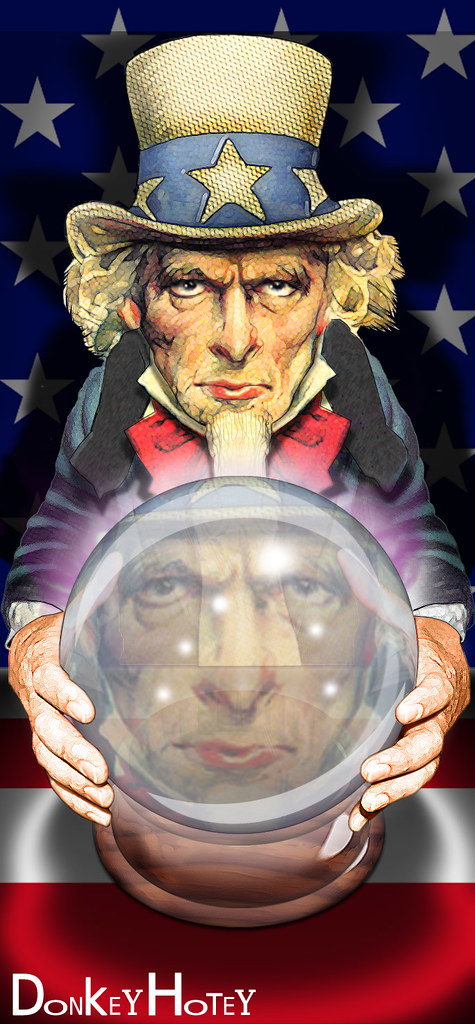
prediction markets regulations are at the forefront of a significant battle. Kalshi is spearheading a $3 million effort to combat state regulations that threaten the future of prediction markets.
Understanding Prediction Markets
Prediction markets are platforms that allow individuals to bet on the outcomes of future events, ranging from political elections to sports results. These markets harness the collective knowledge and opinions of participants, providing insights that can sometimes be more accurate than traditional polling methods. By enabling users to trade shares in event outcomes, prediction markets create a dynamic environment where prices reflect the perceived likelihood of various scenarios.
One of the most significant challenges facing prediction markets today is the growing landscape of prediction markets regulations. As these markets gain popularity, some state governments have begun to impose restrictions, arguing that they may constitute illegal gambling. This has led companies like Kalshi to spearhead efforts aimed at educating lawmakers and the public about the benefits of prediction markets, emphasizing their potential to serve as valuable tools for information aggregation.
Currently, several states are considering legislation that could either hinder or support the growth of these platforms. As the debate continues, the involvement of industry leaders is crucial in shaping policies that balance regulatory concerns with the innovative nature of prediction markets. This ongoing struggle reflects a broader conversation about how emerging technologies should be regulated in a rapidly changing digital landscape.
The Impact of State Regulations
The landscape of prediction markets is increasingly shaped by state regulations, which can profoundly impact their operation and accessibility. As more states consider implementing restrictive measures, the potential for innovation and growth within this sector is jeopardized.
State regulations often stem from concerns about consumer protection and financial stability. However, these regulations can inadvertently stifle a burgeoning market that has the potential to provide valuable insights and data. The current regulatory environment raises several key issues:
- Market Accessibility: Stricter regulations may limit who can participate in prediction markets, reducing the diversity of opinions and insights that drive their value.
- Innovation Stifling: Overregulation can deter startups and established companies from developing new prediction market platforms, hindering technological advancements.
- Consumer Choice: By imposing heavy restrictions, states risk forcing consumers to seek alternatives, potentially leading them to unregulated or less reliable markets.
As highlighted by Kalshi’s recent $3 million initiative, the fight against state regulations is not just about preserving the market; it is about safeguarding the future of a unique financial instrument that can democratize information and foster informed decision-making. The ongoing battle emphasizes the need for a balanced approach that addresses regulatory concerns while promoting innovation in prediction markets.
Kalshi’s $3 Million Initiative
In a bold move to counteract the growing wave of state regulations affecting prediction markets, Kalshi has launched a significant $3 million initiative. This effort aims to rally support and create a united front among stakeholders in the prediction markets industry, advocating for a more favorable regulatory environment.
The initiative is designed to address various challenges posed by state regulations, which can stifle innovation and limit the potential of prediction markets. By leveraging resources and expertise, Kalshi hopes to bring together industry players to share insights and strategies for navigating these complex regulatory landscapes.
Moreover, the funding will be allocated to several key areas:
- Advocacy: Engaging with lawmakers and regulators to educate them on the benefits of prediction markets.
- Research: Conducting studies to demonstrate the economic and social value of a well-regulated prediction market framework.
- Community Building: Facilitating discussions and collaborations among operators, users, and legal experts to develop best practices.
By investing in these areas, Kalshi aims to not only protect itself but also to promote the sustainable growth of prediction markets in the face of potential regulatory overreach. This initiative may indeed set a precedent for how the industry can collectively respond to state regulations and advocate for a balanced approach.
Future of Gambling Legislation
The future of gambling legislation is poised for significant transformation as various stakeholders push back against restrictive state regulations. As more states grapple with the implications of digital prediction markets, the debate intensifies over how these platforms should be governed.
Prediction markets, which allow users to wager on the outcome of future events, are becoming increasingly popular. However, their rise has prompted state regulators to impose stringent rules aimed at controlling and monitoring their operations. Advocates argue that such regulations stifle innovation and limit consumer choice.
Recently, Kalshi, a leading player in the prediction markets space, has taken a proactive approach by launching a $3 million initiative aimed at combating these emerging state regulations. This effort highlights the urgency of establishing a clear regulatory framework that balances oversight with the need for market growth.
Key considerations for future legislation include:
- Consumer Protection: Ensuring that users are safeguarded against fraud and misinformation.
- Market Integrity: Maintaining the credibility of prediction markets as legitimate platforms.
- Innovation Support: Encouraging the development of new technologies and business models.
As the conversation around prediction markets regulations continues, it is essential for policymakers to engage with industry leaders and stakeholders to create a balanced approach that fosters both growth and protection.
The ongoing debate surrounding prediction markets regulations highlights the tension between innovation and oversight. Advocates argue that a more flexible approach to prediction markets regulations could unleash significant economic benefits.
By DonkeyHotey via Openverse
References
Related reading
Suryansh Shedge replaces Hardik Pandya: Smart Move for India A · Taekwondo Asian Games 2026: Worst Outcome for India Revealed · India vs Brazil Live Score: Quick Updates on Match Progress